
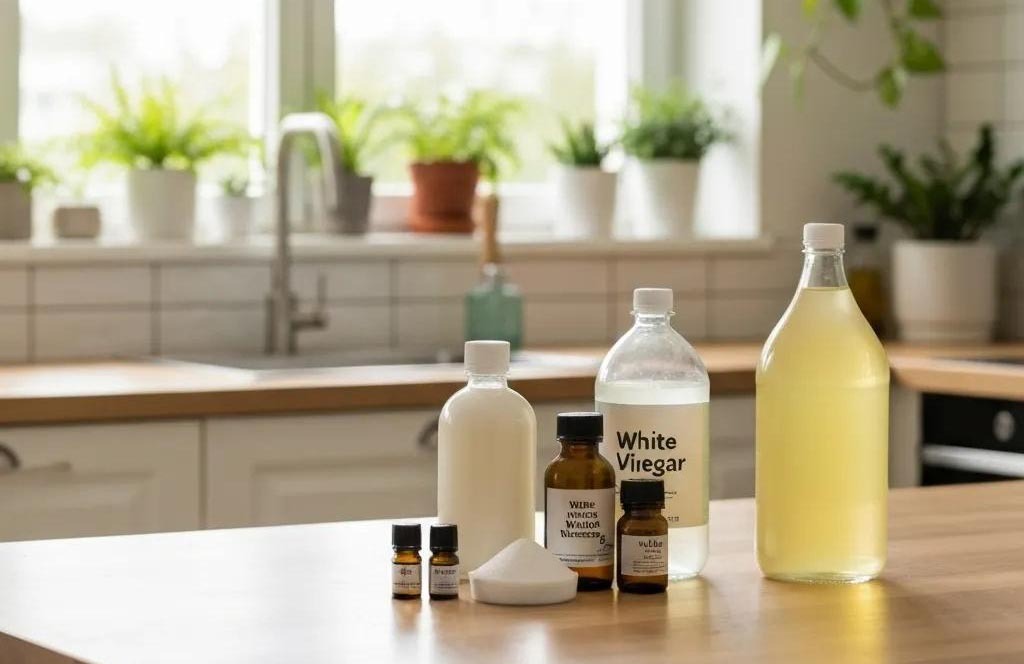
As a fellow Portmouth resident who cherishes both a spotless kitchen and a home free from harsh chemicals, I get it. If you’ve ever felt that typical cleaning products leave behind a lingering scent that tickles your throat or irritates your skin, you’re definitely not alone. You’ve landed in the perfect spot! In this guide, I’ll walk you through how eco-friendly deep cleaning solutions, powered by plant-based ingredients, simple household staples like vinegar and baking soda, and smart sustainable practices, can transform your living space into a haven of well-being. We’ll dive into:
- What truly makes a cleaner “natural” and “non-toxic,” and how to spot trustworthy certifications.
- Easy-to-follow DIY recipes and essential tools for a sparkling clean kitchen.
- Clever green strategies to cut down on waste, conserve precious resources, and keep your little ones and furry friends safe.
- How embracing eco-friendly cleaning fits seamlessly into every phase of a kitchen renovation, protecting your beautiful new investment.
- The feel-good health and environmental perks that resonate deeply with the sustainable lifestyle we cherish here in Southern Maine and the New Hampshire Seacoast.
- My go-to local product recommendations and where you can snag them.
This approach perfectly aligns with the green living values many of us in Southern Maine and the New Hampshire Seacoast hold dear and helps meet our community’s environmental goals.
What Exactly Are Eco-Friendly Cleaning Products, and How Do They Make Your Home Healthier?
Eco-friendly cleaning products are crafted with ingredients derived from nature or simple, safe compounds. Their formulas are designed to tackle dirt and grime effectively without resorting to harsh chemicals. They work by harnessing the natural power of things like the acidity in vinegar, the gentle scrubbing action of baking soda, and the antimicrobial properties of essential oils. This means they can sanitize surfaces and improve your home’s air quality, reducing irritants and chemical residues for a safer space for your family, pets, and anyone sensitive to strong fumes.
What Sets Non-Toxic and Plant-Based Household Cleaners Apart?
When we talk about non-toxic cleaners, we mean products that steer clear of synthetic fragrances, chlorine, phosphates, ammonia, and other aggressive chemicals. Instead, they rely on:
- Plant-derived surfactants that lift away dirt and grease without harming aquatic ecosystems.
- Natural enzymes that work at a molecular level to break down stubborn stains.
- Biodegradable solvents that rinse away cleanly, leaving no harmful traces behind.
By choosing ingredients that come from plants rather than petroleum, you’re making a positive choice for both your personal health and for more sustainable sourcing practices.
Now that we’ve covered the core benefits, let’s explore how specific natural ingredients become your cleaning superheroes.
How Do Natural Powerhouses Like Vinegar, Baking Soda, and Essential Oils Work Their Magic?
Vinegar’s acetic acid is brilliant at cutting through mineral deposits and grease. Baking soda offers a gentle abrasive touch to lift stains and neutralize unwelcome odors. Add in essential oils like tea tree and lavender for their antimicrobial boost and delightful natural scent. Together, these ingredients:
- Break down the chemical bonds in grease and grime.
- Dissolve stubborn scale and residue on faucets and sinks.
- Help keep bacteria at bay on your kitchen surfaces.
Understanding these simple mechanisms empowers you to whip up custom solutions for just about any cleaning challenge, from greasy oven doors to sticky cutting boards.
How Can You Be Sure Green Cleaning Products Are Safe and Sustainable? Look for These Certifications.
To feel truly confident in an eco-friendly label, keep an eye out for recognized certifications. These seals of approval indicate that products have been vetted for ingredient safety, environmental impact, and responsible sourcing.
| Certification | What It Covers | Key Standards |
|---|---|---|
| EPA Safer Choice | Household and commercial cleaning products | Rigorous ingredient review, focus on human health and environmental safety |
| Green Seal | Cleaning products and services | Comprehensive life-cycle assessment, reduced toxicity, proven performance |
| EWG Verified | Personal care and household items | Complete ingredient transparency and thorough safety evaluation |
All three of these certifications demand strict testing and ongoing adherence to their standards, so you can make your selections with peace of mind and steer clear of misleading claims. These benchmarks provide a solid foundation as we move on to more detailed DIY recipes and professional service options.
Trusted Seals of Approval for Safer, Greener Cleaning
The U.S. Environmental Protection Agency’s (EPA) Safer Choice program is a fantastic resource, certifying cleaning products that meet stringent criteria for human health and environmental safety, backed by annual audits. Likewise, Green Seal, an independent non-profit organization, rigorously vets products and services based on science-backed life-cycle assessments, prioritizing reduced toxicity and reliable performance.
This information directly supports the article’s section on the importance of certifications like EPA Safer Choice and Green Seal for ensuring the safety and sustainability of green cleaning products.
Ready to Deep Clean? Let’s Explore Easy DIY Natural Home Cleaning Solutions.
Whipping up your own natural, non-toxic cleaners at home is not only budget-friendly but also a fantastic way to cut down on plastic waste. I’ll outline the general approach, highlight the benefits, and share a go-to recipe for a simple all-purpose spray that’s perfect for countertops, sinks, and stovetops.
What Are Some Simple Homemade Recipes for All-Purpose Eco-Friendly Cleaners?
Here are three versatile concoctions you can mix up in just a few minutes:
- In a spray bottle, combine 1 cup of water, 1 cup of white vinegar, and 10 drops of lemon essential oil for a bright, degreasing spray.
- For a powerful mildew-fighting solution, mix 2 cups of warm water with 2 tablespoons of castile soap and 5 drops of tea tree oil.
- To achieve a streak-free shine on glass and stainless steel, blend 1 cup of rubbing alcohol with 1 cup of water and 15 drops of lavender oil.
Each of these recipes uses common kitchen staples to deliver effective cleaning, disinfecting, and a lovely natural fragrance, all without any toxic residues. With these handy all-purpose sprays, you’re all set to give your kitchen a thorough, natural deep clean.
How Can You Harness the Power of Vinegar and Baking Soda for Kitchen Surfaces?
Vinegar and baking soda are a dynamic duo for tackling tough kitchen messes:
- Sprinkle baking soda directly onto stained areas, then spray with vinegar. Watch it fizz! Let it sit for about 10 minutes before wiping away.
- Use a 1:1 solution of vinegar and water to easily remove hard water rings from faucets and glass surfaces.
- Create a thick paste using baking soda and water to gently scrub oven racks, grill pans, and metal utensils.
This simple chemical reaction works wonders to lift stubborn grime and neutralize odors, leaving surfaces ready for a final rinse and a brilliant shine.
Which Essential Oil Blends Can Boost Cleaning Power and Add Natural Fragrance?
Essential oils are fantastic for adding an extra layer of antimicrobial action and a delightful aroma to your cleaning routine:
- For superior mold and mildew resistance: 5 drops tea tree + 5 drops eucalyptus
- For effective degreasing with an uplifting scent: 10 drops lemon + 5 drops rosemary
- For a calming and refreshingly clean finish: 8 drops lavender + 5 drops peppermint
Simply mix these oils into your vinegar-water or castile soap bases to enhance their cleaning capabilities and leave your home smelling wonderfully inviting, naturally.
What Tools and Techniques Make Sustainable Cleaning Even More Effective?
Mastering green cleaning is all about having the right tools and techniques:
- Microfiber cloths are champions at trapping dirt and dust with minimal liquid.
- Reusable cotton scrub pads are a fantastic alternative to disposable sponges.
- A spray bottle with an adjustable nozzle allows for precise application of your cleaning solutions.
- Capturing rinse water in a bucket is a smart way to conserve water and prevent it from going down the drain unnecessarily.
By combining these smart practices with your DIY cleaning solutions, you’ll minimize waste and maximize your cleaning efficiency, saving resources while achieving that satisfying deep clean.
Looking for Top-Notch Green Cleaning Tips for a Healthier, More Sustainable Home?
Sustainable cleaning is more than just the products you use; it’s a way of life that significantly reduces waste, conserves water, and boosts your home’s indoor air quality. By adopting these simple tips, you’ll cut down on single-use plastics and toxic emissions, creating a healthier sanctuary for everyone under your roof.
How Does Sustainable Cleaning Help Reduce Waste and Improve Indoor Air Quality?
Opting for refillable containers, buying ingredients in bulk, and choosing concentrated formulas dramatically cuts down on plastic waste. Plus, natural cleaners don’t release harmful volatile organic compounds (VOCs), meaning your family breathes cleaner, fresher air. This approach perfectly aligns with the green living values many of us in Southern Maine and the New Hampshire Seacoast hold dear and helps meet our community’s environmental goals.
Building on these fantastic benefits, let’s explore some practical ways to conserve resources.
What Are Some Smart Water and Energy Conservation Practices for Eco-Friendly Cleaning?
To be more mindful of your water and energy use:
- Embrace the two-bucket method—one for sudsy water, one for rinsing—to minimize the time your faucet is running.
- When mixing your castile soap or vinegar sprays, opt for cool or cold water whenever possible.
- Only run your dishwasher when it’s completely full, and make use of any available eco-friendly cycles.
These simple habits significantly reduce your home’s environmental footprint while keeping everything sparkling clean.
How Can You Safely Clean Around Children and Pets Using Non-Toxic Products?
Keeping your little ones and furry friends safe is paramount:
- Always store your homemade cleaners in clearly labeled bottles and keep them out of reach on high shelves.
- When cleaning floors, opt for unscented, plant-based soaps.
- Ensure good ventilation by opening windows while you clean.
- Be mindful of essential oils like cinnamon or oregano, as they can be too potent for sensitive skin.
With non-toxic formulas, you can confidently clean all surfaces, including play areas, without leaving behind any concerning residues.
How Can You Integrate Recycling and Reusing into Your Cleaning Routine?
Fight waste by actively incorporating these practices:
- Refill your spray bottles from larger, economical jugs of vinegar.
- Give glass jars a second life by using them to store your homemade powdered scrubs.
- Donate empty containers to local community refill stations.
- Compost citrus peels and coffee grounds that you’ve used as natural odor absorbers.
By closing the loop on packaging and ingredients, you’re contributing to a zero-waste household that perfectly complements a thoughtfully designed, eco-conscious kitchen remodel.
How Does Eco-Friendly Deep Cleaning Enhance Your Kitchen Remodeling and Maintenance?
Eco-friendly deep cleaning does more than just keep your home healthy; it plays a crucial role in protecting the beauty and value of your newly remodeled kitchen. By preparing your space before construction and maintaining it with gentle care afterward, you safeguard your investment and extend the life of those beautiful, premium materials.
Why Is a Pre-Remodel Kitchen Deep Clean So Important for a Successful Renovation?
Giving your kitchen a thorough deep clean before any demolition or construction begins:
- Effectively removes built-up grease and contaminants from existing cabinets and walls.
- Prevents dust from mixing with residues, which can create stubborn, hard-to-remove films.
- Provides contractors with a clean, clear workspace, free from unnecessary debris.
This essential preparatory step ensures that your renovation team can install new cabinetry, countertops, and flooring without any hidden grime compromising adhesive bonds or marring the pristine finishes.
How Can You Maintain Your New Countertops and Cabinets Using Non-Toxic Cleaners?
Different materials require a gentle touch:
- For quartz and granite, a 50:50 mist of vinegar and water, followed by a wipe with a microfiber cloth, works wonders.
- Sealed wood cabinets can be refreshed with a single drop of castile soap diluted in warm water.
- Keep stainless steel appliances gleaming by wiping them down with rubbing alcohol and a soft cloth.
Using these non-toxic methods helps preserve sealants and polishes without stripping away the protective coatings.
What Are the Best Eco-Friendly Methods for Deep Cleaning Kitchen Appliances?
When it’s time to give your oven, refrigerator, or dishwasher a deep clean, I follow these four simple steps:
- Power Down and Empty: Always unplug the appliance and remove all contents before you begin cleaning.
- Baking Soda & Vinegar Power: Sprinkle baking soda generously on interior surfaces, then spray with vinegar to help dissolve baked-on food and grime.
- Wipe It Clean: Use a damp microfiber cloth to wipe away all the loosened residue.
- Dry and Reassemble: Ensure all surfaces are completely dry before putting everything back and plugging the appliance in, which helps prevent moisture damage.
This careful sequence allows you to achieve a deep clean without resorting to harsh oven cleaners, protecting sensitive seals and components. It’s a method that’s safe for your appliances and kind to the planet.
How Does Green Cleaning Act as a Guardian for Your Investment in a Remodeled Kitchen?
Consistently using eco-friendly cleaners helps prevent stubborn stains from setting in, minimizes abrasive wear on surfaces, and keeps the vibrant finishes on your countertops and cabinetry looking their best. And if you ever need a professional touch-up, I wholeheartedly recommend Green Maids Cleaning for their expert, non-toxic deep cleaning services throughout the Southern Maine and the New Hampshire Seacoast. Their approach aligns perfectly with sustainable kitchen designs and the high standards set by remodeling professionals like us.
What Are the Wonderful Health and Environmental Benefits of Using Sustainable Cleaning Supplies?
Embracing eco-friendly cleaning brings a cascade of benefits, both immediate and long-term: fewer allergens in your home, significantly reduced chemical exposure, and a tangible decrease in plastic pollution. These positive impacts ripple outward, from your personal living space to the broader ecosystem, reflecting a conscious and responsible Southern Maine and the New Hampshire Seacoast lifestyle.
How Does Eco-Friendly Cleaning Help Reduce Allergens and Improve Respiratory Health?
Natural cleaners are formulated without the synthetic fragrances and harsh fumes that can often trigger asthma or allergy flare-ups. By swapping out traditional culprits like bleach and ammonia for gentler alternatives, you dramatically reduce indoor air pollutants, leading to easier breathing and fewer symptoms for sensitive family members.
Green and Homemade Cleaning Products: A Breath of Fresh Air for Respiratory Health
Research suggests that opting for green and homemade cleaning products may significantly lower the risks associated with respiratory health issues, including asthma, when compared to conventional cleaning products. This indicates a potential benefit for individuals who are particularly sensitive to the harsh chemicals commonly found in traditional cleaners.
This study provides scientific backing for the article’s claim that eco-friendly cleaning can reduce allergens and improve respiratory health by minimizing exposure to harmful chemicals.
What Is the Environmental Impact of Using Biodegradable and Refillable Cleaning Products?
Biodegradable formulas are designed to break down safely once they enter wastewater systems, preventing harm to aquatic life. And when you choose refillable containers, you’re directly reducing the demand for single-use plastic production and the energy consumption associated with it. This is a powerful way for Southern Maine and the New Hampshire Seacoast communities to meet ambitious waste-reduction targets by keeping plastic out of our landfills and precious waterways.
How Do Green Cleaning Practices Align with the Sustainable Living Values of Southern Maine and the New Hampshire Seacoast Homeowners?
Many Southern Maine and the New Hampshire Seacoast residents naturally gravitate towards supporting local businesses, minimizing waste, and choosing products with eco-certifications. Adopting green cleaning practices is a seamless way to integrate these core values into your daily routines. It complements sustainable home upgrades beautifully, creating a holistic lifestyle that harmonizes health, thoughtful design, and environmental stewardship.
Which Non-Toxic Household Cleaners Are Highly Recommended for Southern Maine and the New Hampshire Seacoast Homes?
Selecting the right brands and sourcing locally whenever possible ensures you have access to effective products that also meet our region’s high environmental standards. Here’s a quick look at some top-tier eco-friendly cleaners you can easily find in Southern Maine and the New Hampshire Seacoast.
| Brand | Standout Feature | Where to Find It |
|---|---|---|
| Seventh Generation | Plant-powered formulas, packaging made from recycled materials | Available at most grocery stores and online retailers |
| Branch Basics | Highly concentrated, pH-neutral cleaning solutions | Found in specialty eco-shops and available for direct order online |
| Method | Biodegradable formulas, convenient refillable pods | Look for them in home improvement stores and local markets |
| Ecover | Offers refillable stations and biodegradable tubs | Available at co-ops and select supermarkets |
How Can You Choose Safe Cleaning Products That Meet Southern Maine and the New Hampshire Seacoast Environmental Standards?
Always look for the EPA Safer Choice and Green Seal logos to confirm that products meet rigorous health and sustainability benchmarks. It’s also crucial to read ingredient lists carefully—be on the lookout for vague terms like “fragrance” or “benzisothiazolinone,” which can sometimes mask potential allergens and irritants.
Where Can You Buy Eco-Friendly Cleaning Supplies in Southern Maine and the New Hampshire Seacoast?
Your local natural foods markets (think Berkeley Bowl, Whole Foods)
Dedicated zero-waste refill shops (like The Source, Refill Revolution)
Home improvement stores that feature dedicated green product sections (check local hardware stores for eco-friendly aisles)
Online retailers that offer convenient Southern Maine and the New Hampshire Seacoast delivery or pick-up options
With these fantastic resources, you can easily restock your cleaning supplies in a sustainable way while also supporting wonderful local green businesses.
Got Questions About Eco-Friendly Deep Cleaning Solutions? Let’s Tackle Them.
It’s common to have questions about the effectiveness, safety, and practicalities of eco-friendly cleaning. I’ll address four of the most frequent queries here to help you make confident choices.
Are Eco-Friendly Cleaning Products Really as Effective as Traditional Cleaners?
Absolutely! Modern non-toxic formulations are designed to match or even surpass the performance of conventional cleaners. They achieve this by skillfully combining plant-based surfactants with natural antimicrobial agents. These powerful combinations effectively tackle grease, eliminate odors, and remove stains, all without compromising your health or releasing harmful byproducts into the environment.
Proven Effectiveness and Environmental Wins with Eco-Friendly Cleaning Protocols
A notable study evaluating cleaning protocols in healthcare settings revealed that a “green” sanitizing approach actually achieved superior results in reducing microbial contamination in high-risk areas. Beyond its hygienic performance, this eco-friendly method also demonstrated significant environmental advantages, including a substantial decrease in CO2 emissions and plastic waste, while performing on par with traditional cleaning methods.
This research supports the article’s assertions regarding the effectiveness of eco-friendly cleaning solutions and their positive environmental impact, particularly in reducing pollution and waste.
Feeling confident about effectiveness? Great! Now you can explore the wonderful world of natural ingredients even further.
Can Natural Ingredients Safely Clean Kitchen Surfaces Without Causing Damage?
Definitely. When used appropriately—think diluted vinegar for stone surfaces, a baking soda paste for metals, and castile soap for wood—these natural ingredients gently lift dirt without scratching or dulling finishes. As always, it’s a good practice to test a small, inconspicuous area first and follow any material-specific care guidelines.
How Often Should You Deep Clean Your Home Using Green Cleaning Methods?
A good rhythm to aim for is a thorough deep clean every quarter (three months), supplemented by quick weekly wipe-downs of high-traffic areas. This consistent approach helps prevent grime build-up, maintains healthy air quality, and keeps the overall effort manageable while minimizing product usage.
Are Non-Toxic Cleaners Safe for Families with Children and Pets?
Yes, they are! Eco-friendly formulas eliminate concerning fumes and residues, making surfaces much safer for little hands and curious paws. Just remember to store any homemade solutions securely and use appropriate dilutions to prevent any potential skin irritation.
I truly hope this guide inspires you to embrace eco-friendly deep cleaning for a healthier home environment and to maintain your beautifully remodeled kitchen with newfound confidence. If you require professional non-toxic cleaning services, contact Green Maids Cleaning. We’re here to help you create a sustainable, stunning space you’ll love, without any compromises.

- Eco-Friendly Spring Cleaning: How to Manage Indoor and Outdoor Waste Sustainably - June 29, 2026
- Why Does My House Get Dusty So Fast? Causes, Myths, and Practical Solutions - February 20, 2026
- Is Green Cleaning Actually Effective? What Science and Experience Show - February 20, 2026