
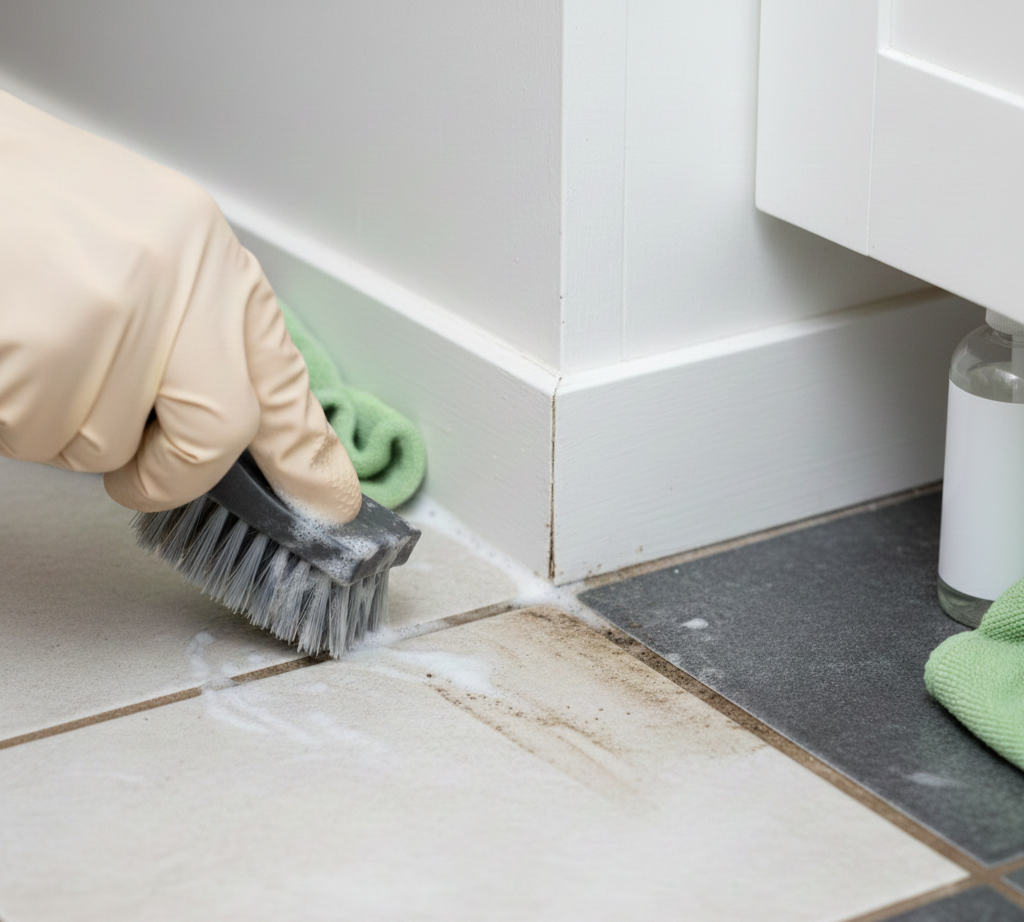
The key difference between deep cleaning and regular cleaning comes down to scope, frequency, and results. Regular cleaning maintains a tidy space by handling visible messes, while deep cleaning targets hidden buildup that affects health, air quality, and long-term surface condition. Understanding the difference helps you decide which service you actually need for your home—and avoid paying for work you don’t need or skipping work that truly matters.
This guide explains what each type of cleaning includes, how often it’s needed, and when a deep clean is the smarter choice.
What Is Regular Cleaning?
Regular cleaning focuses on routine upkeep. Its goal is to keep surfaces looking clean and functional between deeper cleanings.
Typical regular cleaning tasks include:
- Surface-level cleaning of bathrooms and kitchens.
- Vacuuming carpets and rugs to remove dust.
- Dusting furniture and shelves to prevent allergen accumulation.
- Wiping countertops and high-touch surfaces to reduce visible grime and germs.
- Emptying trash cans and replacing liners to control odors and pests.
- Spot-cleaning, tidying, sweeping, and mopping.
Regular cleaning is usually scheduled daily, weekly, bi-weekly, or even monthly, depending on how big your house is, how many pets you have, and how much time you spend at home. It works best when a space is already in good condition and needs simple maintenance rather than full overhauling.
When Is Regular Cleaning Enough?
Regular cleaning is often sufficient when:
- Your home is already well-maintained
- There hasn’t been a long gap between cleanings
- There’s minimal buildup of grease, soap scum, or dust
- There aren’t any allergies or health concerns
What Is Deep Cleaning?
Deep cleaning is a targeted, time-intensive service that goes beyond visible surfaces to address embedded dirt, residue, and overlooked areas that routine maintenance often misses. It’s designed to reset a space rather than maintain it.
Deep cleaning is typically scheduled periodically, not weekly. It commonly includes:
- Scrubbing tile grout and baseboards
- Cleaning inside appliances, cabinets and vents
- Removing soap and mineral buildup
- Targeted treatment of high-touch and high-use areas
Areas Commonly Addressed in a Deep Clean
| Area | Deep-Clean Tasks Addressed | Benefit / Outcome |
| Kitchen | Appliance interiors, cabinet fronts, behind/under appliances | Reduced grease buildup, preserved finishes, safer food prep surfaces |
| Bathroom | Grout, soap scum, fixtures, behind toilets | Fewer pathogens, lower mold risk, improved longevity of tile |
| Floors & Baseboards | Strip-mop, baseboard cleaning, trim, hard-to-reach dust, buildup under furniture | Restored appearance, reduced allergen reservoirs |
| HVAC & Vents | Vent and register vacuuming, filter inspection, detailed dusting | Better air flow, reduced circulating dust and allergens |
These areas accumulate residue slowly and are rarely handled during standard visits.
Health and Environmental Benefits of Deep Cleaning
Deep cleaning reduces dust, allergens, and residues that can affect indoor air quality over time. Using eco-friendly, non-toxic cleaning products amplifies these health benefits by minimizing volatile organic compounds (VOCs) and chemical residues while still delivering thorough results.
Removing buildup from vents, grout, and fabrics helps limit irritants that regular cleaning may leave behind. These benefits combine to make deep cleaning a meaningful investment for your home.
Deep Cleaning vs Regular Cleaning: Key Differences
Regular cleaning and deep cleaning serve different but complementary purposes. A week-by-week upkeep–that keeps surfaces tidy and controls dust–is done on shorter, recurring visits. Deep cleaning, by contrast, is a more intensive service that visibly restores surfaces and prevents long-term deterioration.
Viewing the services side by side clarifies when routine upkeep is sufficient and when a top-to-bottom reset is the smarter investment for your space.
| Factor | Regular Cleaning | Deep Cleaning |
| Purpose | Ongoing maintenance | Restorative, detailed cleaning |
| Frequency | Weekly to monthly | Seasonal or as needed |
| Time Required | Shorter visits | Longer, more intensive |
| Detail Level | Surface-level | Top-to-bottom |
| Best For | Maintained spaces | Buildup, post-construction |
How Often Should I Schedule Deep House Cleaning?
Most homes benefit from deep cleaning one to two times per year, depending on your lifestyle: for most homes, a quarterly deep clean is sufficient to control allergens and surface wear, while busy households with pets, children, or allergy sufferers may need deep cleaning every 1–2 months.
Businesses often schedule deep cleaning quarterly or semi-annually to support hygiene standards and extend the life of flooring, fixtures, and furnishings.
A deep clean is especially helpful during key transition points, including:
- Moving into or out of a house
- Preparing for guests or events
- After renovations or remodeling
- Seasonal deep cleans in spring or fall
- When regular cleaning no longer feels effective
If surfaces look clean but don’t feel clean, or odors and dust return quickly, it’s often a sign that buildup needs deeper attention.
Why Green Maids Uses a Deep-Clean Standard
Green Maids Cleaning follows a deep-clean approach that treats deep cleaning as a standardized baseline for each service, combining detailed checklists and consistent training with all-natural, biodegradable products to protect people and surfaces.
Our deep clean every time philosophy helps prevent buildup and supports healthier indoor spaces across homes and businesses in Southern Maine, the New Hampshire Seacoast, and the North Shore of Massachusetts. Rather than treating deep cleaning as a rare add-on, Green Maids positions it as the foundation of long-term maintenance.
Is Deep Cleaning Worth the Investment?
Deep cleaning typically costs more than regular cleaning because it requires additional time, detail, and expertise. However, it can reduce long-term maintenance costs by preserving surfaces, improving air quality, and making routine cleanings more effective.
For many households, scheduling deep cleaning periodically outweighs the one-time expense. It preserves new kitchen finishes from abrasive construction dust, reduces allergens, and prevents mold growth.
Final Takeaway: Which Cleaning Service Do I Need Right Now?
Deep cleaning vs regular cleaning isn’t about choosing one forever—it’s about using each at the right time.
- Regular cleaning maintains day-to-day order and cleanliness
- Deep cleaning restores spaces and removes hidden buildup
Starting with a deep clean and following up with consistent maintenance is often the most effective strategy.

- Why Does My House Get Dusty So Fast? Causes, Myths, and Practical Solutions - February 20, 2026
- Is Green Cleaning Actually Effective? What Science and Experience Show - February 20, 2026
- What Should I Do Before a Deep Cleaning Service? - January 28, 2026